
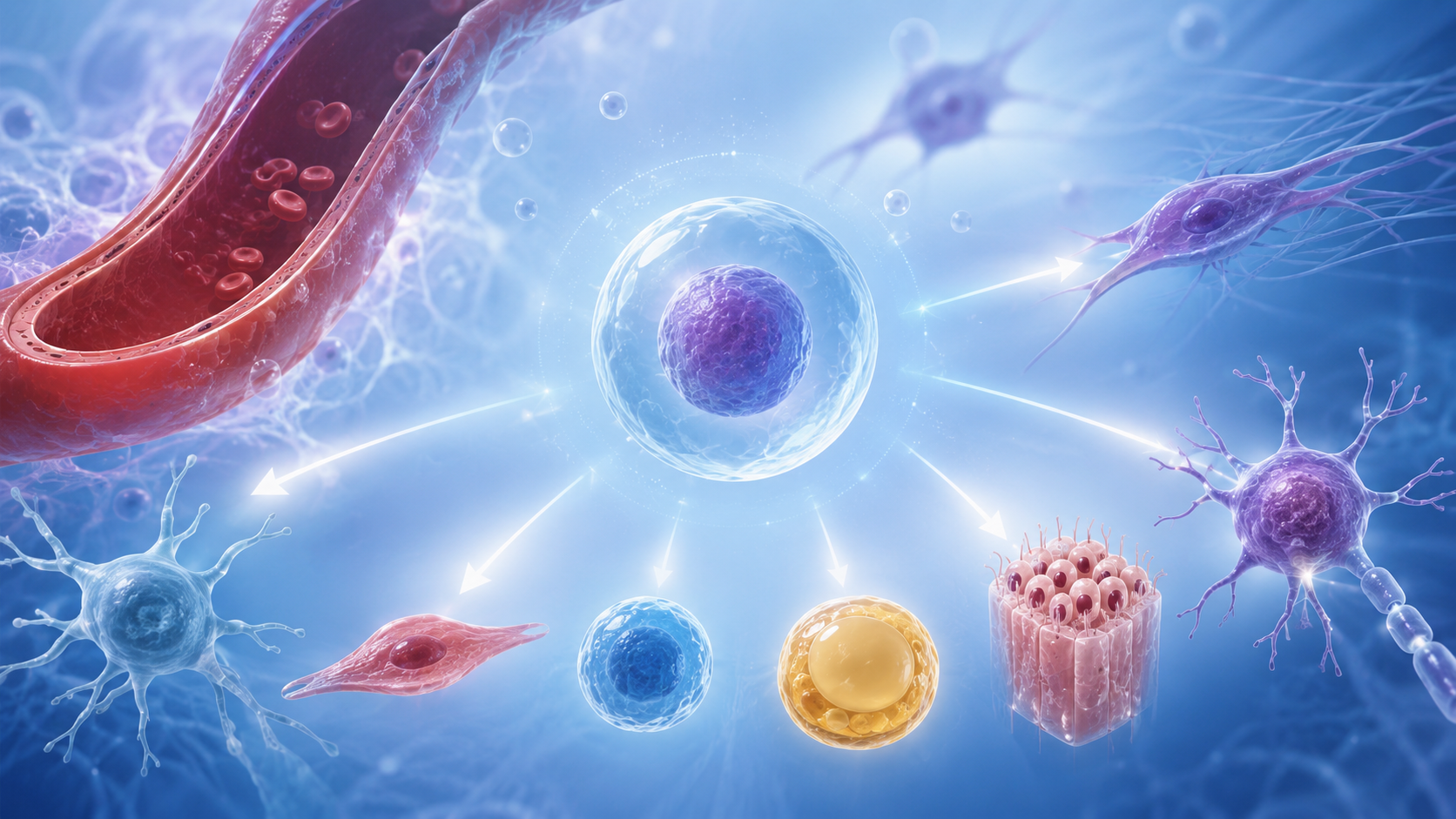
Stem Cells and Regenerative Medicine
Cell and regenerative medicine is one of the rapidly advancing fields in medicine today. Its goal is not only to alleviate symptoms but also to provide new therapeutic avenues for certain chronic diseases, degenerative conditions, and diseases with limited response to conventional treatments by repairing damaged tissues, modulating the immune system, or restoring organ function.
In recent years, China has continuously promoted the standardized development of cell therapy and regenerative medicine. The Boao Lecheng International Medical Tourism Pilot Zone in Hainan has also established a translational application mechanism for new biomedical technologies, offering more treatment options for eligible patients.
What is Cell and Regenerative Medicine
The tissues and organs of the human body are composed of different types of cells. When disease, aging, or trauma damages cells, the body has some capacity for repair, but in many cases it cannot fully restore normal function.
Cell therapy involves introducing living cells with specific functions into the body to promote tissue repair, regulate immune responses, or improve cellular function, thereby aiding in disease treatment or tissue recovery.
Regenerative medicine is a broader concept that, in addition to cell therapy, includes tissue engineering, biomaterials, exosomes, and other technologies aimed at helping the body repair or rebuild damaged tissues, enhancing organ function and quality of life.
Common Types of Cell Therapy
Currently, the most widely applied or actively researched cell therapies include the following categories:
Stem Cell Therapy
Stem cells possess a certain capacity for self-renewal and can differentiate into various cell types under specific conditions, making them an important research focus in regenerative medicine. Stem cells from different sources have distinct characteristics and are primarily used for tissue repair, immune modulation, and improving disease-related functions.
Immune Cell Therapy
Immune cell therapy harnesses the patient's own immune cells to enhance the immune system's ability to recognize and eliminate abnormal cells. It has advanced rapidly in oncology, including various technical approaches such as tumor-infiltrating lymphocyte (TIL) therapy and autologous immune cell therapy.
Exosome Therapy
Exosomes are tiny vesicles released by cells that carry proteins, nucleic acids, and other bioactive molecules, facilitating intercellular communication. In recent years, exosomes have been extensively studied for tissue repair, inflammation modulation, and functional recovery, though the clinical maturity varies across different diseases.
Tissue Engineering
Tissue engineering combines cells, biomaterials, and engineering techniques to construct or repair damaged tissues, offering new solutions for complex tissue defects and organ repair.
Diseases Addressed by Cell Therapy
As technology continues to evolve, cell therapy is being investigated in clinical research and translational applications across multiple disease areas. Currently, key areas of interest include:
- Bone and joint diseases, such as knee osteoarthritis and degenerative joint diseases
- Pulmonary diseases, such as chronic obstructive pulmonary disease, bronchiectasis, interstitial lung disease, and impaired lung function
- Liver function impairment and certain chronic liver diseases
- Diabetes and some of its complications
- Refractory autoimmune diseases
- Neurological disorders and neurological functional recovery
- Non-healing tissue injuries and skin regeneration
- Ovarian insufficiency and certain conditions in reproductive medicine
- Immune cell therapy for certain malignant tumors
Benefits of Cell Therapy
For eligible patients, cell therapy may offer the following features:
- Assists in repairing damaged tissues or promoting functional recovery
- Modulates abnormal immune responses, improving certain immune-related diseases
- Provides new treatment options for patients with limited response to conventional therapies
- May improve quality of life and physical function in certain diseases
- Some treatments are relatively less invasive, and individualized regimens can be designed based on disease characteristics
China as a Key Hub for Cell and Regenerative Medicine
In recent years, China has continuously advanced the development of cell therapy and regenerative medicine, with ongoing improvements in basic research, clinical studies, technology translation, and regulatory management.
China has a large patient population and abundant clinical resources, which facilitates the accumulation of diagnostic and therapeutic experience across various diseases. Additionally, major medical institutions typically establish multidisciplinary collaboration models, involving relevant specialties, imaging, pathology, laboratory, and rehabilitation teams in patient evaluation to formulate comprehensive treatment plans for complex diseases.
With continuous improvements in cell manufacturing, quality control, and clinical management systems, China has achieved rapid development in multiple cell therapy fields and continues to promote standardized application.
Boao Lecheng, Hainan: A Hub for Cell and Regenerative Medicine
The Boao Lecheng International Medical Tourism Pilot Zone in Hainan has established a management mechanism for the translational application of new biomedical technologies, implementing risk-based classification management for eligible new technologies, which can rapidly advance the development and application of innovative medical technologies.
Currently, cell therapy and regenerative medicine in Hainan cover numerous disease areas, including:
Autologous lung epithelial cell therapy for bronchiectasis, chronic obstructive pulmonary disease, and interstitial lung diseases; autologous adipose-derived mesenchymal stem cell therapy for knee osteoarthritis; human umbilical cord mesenchymal stem cell therapy for knee osteoarthritis; human umbilical cord-derived mesenchymal stem cell therapy to improve heart failure with reduced ejection fraction; human umbilical cord stem cell therapy to reduce complications of bone marrow transplantation; dental follicle mesenchymal stem cell therapy for periodontal diseases; and various tumor immune cell therapy technologies.
Stem cell or exosome therapies for liver function impairment, lung function impairment, diabetes and its complications, refractory autoimmune diseases, non-healing tissue injuries, degenerative joint diseases, promotion of skin regeneration, ovarian insufficiency, neurodegenerative diseases, and promotion of neurological functional recovery, as well as tumor-infiltrating lymphocyte (TIL) therapy, autologous immune cell therapy activated by tumor neoantigens, and autologous immune cell therapy activated by tumor-associated antigens, among other tumor immunotherapy directions.
Advantages of Cell Therapy in China
For international patients, China offers multiple advantages in cell therapy.
First, China has a relatively complete industrial chain for cell therapy, gradually forming a standardized system from cell manufacturing and quality control to clinical treatment, providing a comprehensive diagnostic and therapeutic process for various diseases.
Second, major medical institutions can typically manage the entire process, including examination, diagnosis, treatment, and long-term follow-up, with multidisciplinary teams jointly developing treatment plans, enhancing the comprehensive management of complex diseases.
Furthermore, China has continuously promoted innovation in cell therapy technologies in recent years, accumulating clinical experience in multiple disease areas and offering patients more individualized treatment options.
For overseas patients, the Boao Lecheng International Medical Tourism Pilot Zone in Hainan has also established an international medical service system, providing cross-border consultation, examination and evaluation, treatment arrangement, and follow-up services, facilitating international patients' medical journeys to China.
Risks and Limitations of Cell Therapy
Although cell therapy is developing rapidly, certain limitations still exist.
The level of clinical evidence varies across different diseases; some treatments have accumulated considerable clinical experience, while others still require more long-term research support.
Treatment outcomes can vary significantly between patients, and even with the same disease, different results may be obtained.
Some treatments may cause immune-related reactions or other adverse events, requiring monitoring and management by a professional medical team.
Additionally, not all medical institutions currently have the capacity to provide such treatments. Patients should choose medical institutions with standardized management systems and appropriate qualifications for evaluation and treatment.
Frequently Asked Questions (FAQ)
Can stem cell therapy treat all diseases?
No. The applicable cell types and treatment protocols vary by disease. Currently, only some diseases have accumulated substantial clinical experience, and many applications are still under development.
Is tumor immune cell therapy considered cell therapy?
Yes. Tumor-infiltrating lymphocyte (TIL) therapy and autologous immune cell therapy are important components of cell therapy. However, suitability for treatment must be evaluated based on tumor type and the patient's condition.
Why does Boao Lecheng in Hainan attract international patients?
Lecheng has established a management mechanism for the translational application of new biomedical technologies, covering multiple cell therapy and regenerative medicine directions. Under a standardized regulatory framework, it promotes the translational application of innovative medical technologies, providing more treatment options for eligible patients.
Can cell therapy replace conventional treatments?
Generally not. For many diseases, cell therapy still needs to be combined with standard treatments such as medication, surgery, and rehabilitation. The specific plan should be developed by a physician based on the patient's actual condition.