CAR-T Cell Therapy
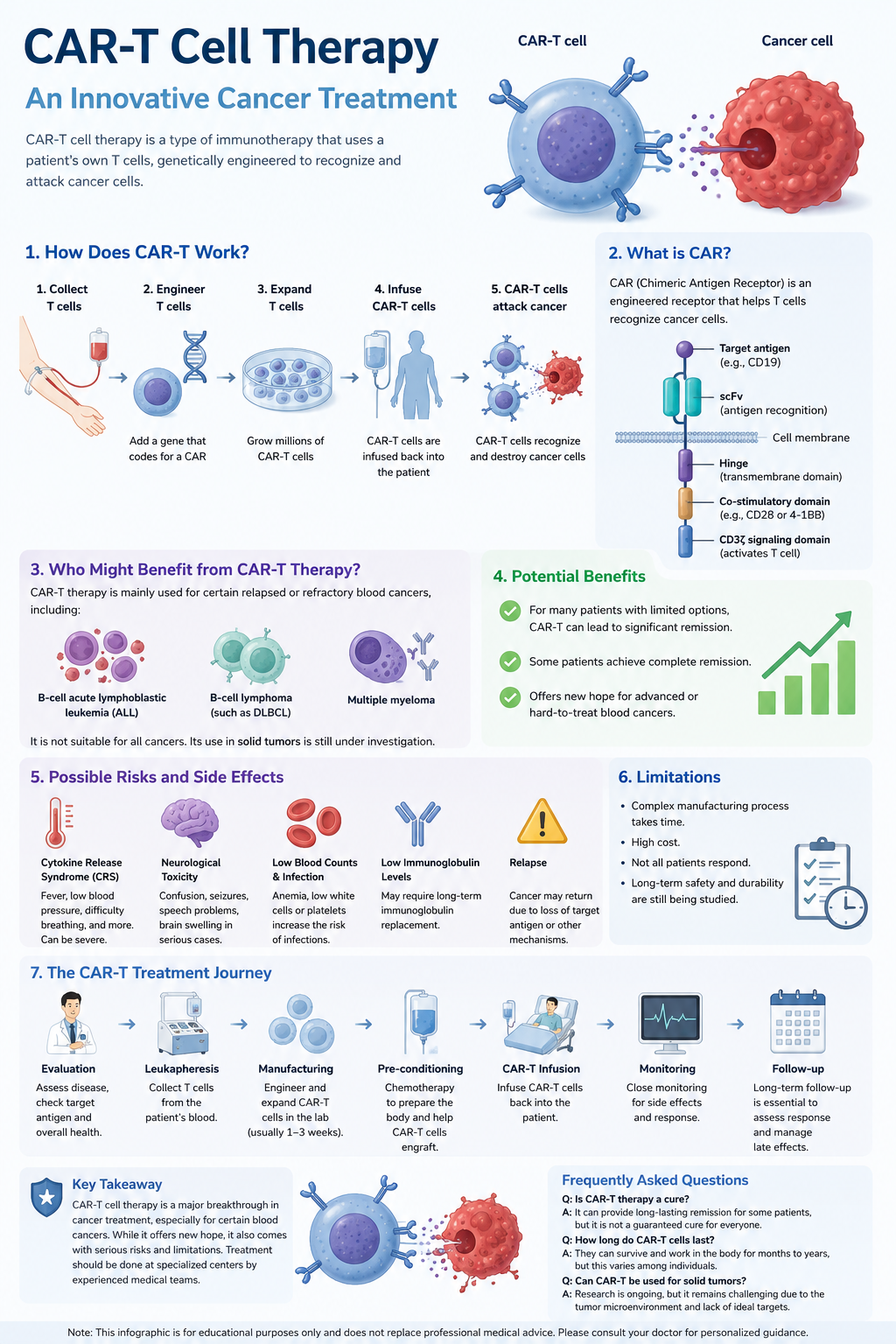
CAR-T therapy is a form of cancer immunotherapy in which a patient’s own T cells are genetically modified and then reinfused. It is currently used mainly for certain relapsed or refractory hematologic malignancies, with substantial clinical experience in B-cell acute lymphoblastic leukemia, some B-cell lymphomas, and multiple myeloma.
What Problems Does CAR-T Therapy Address?
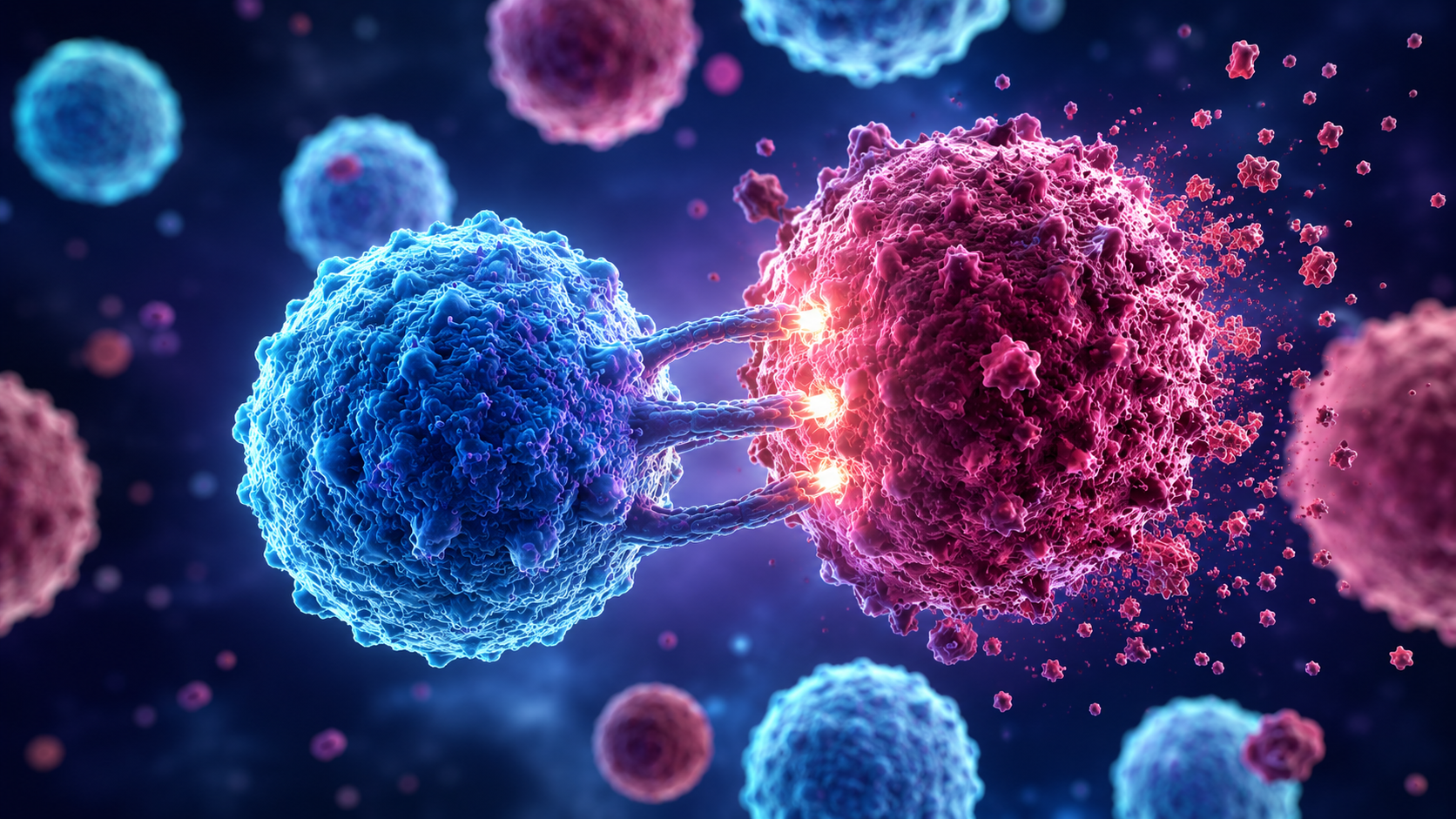
CAR-T stands for chimeric antigen receptor T cells. T cells are key components of the immune system responsible for recognizing and eliminating abnormal cells, but tumor cells can sometimes “disguise” themselves to evade immune detection.
The approach of CAR-T therapy is to collect T cells from the patient’s blood, then genetically engineer them in the laboratory to express a “recognition device” that enables them to more easily identify specific markers on the surface of tumor cells. After expansion in culture, these modified T cells are reinfused into the patient to help the immune system attack the tumor.
Currently, the most mature applications of CAR-T therapy are in hematologic malignancies, especially B-cell-derived leukemias, lymphomas, and some multiple myelomas. For solid tumors such as lung cancer, liver cancer, pancreatic cancer, and glioblastoma, CAR-T still faces challenges including target selection, the tumor microenvironment, and limited infiltration of cells into tumor tissue, so clinical use remains limited.
Principles of CAR-T Therapy
CAR-T cells can be thought of as immune cells that have been “trained and equipped.” Their core structure typically includes three components:
First, a tumor antigen recognition domain that helps T cells find tumor cells bearing specific markers; second, a transmembrane domain that serves as a bridge connecting external recognition to internal signaling; and third, an intracellular signaling domain that activates the T cell, promoting proliferation, release of cytotoxic substances, and attack on target cells.
An important feature of CAR-T is that its recognition of tumor cells does not entirely depend on the MHC pathway required by conventional T-cell recognition. This may allow it to function in certain cases of tumor immune escape.
However, this also raises a critical issue: the target must be chosen with high precision. If both tumor cells and normal cells express the same target, CAR-T cells may attack normal cells, causing on-target off-tumor toxicity.
Benefits of CAR-T Therapy
CAR-T therapy has shown significant therapeutic value in certain hematologic malignancies, especially in patients with poor response to prior treatments, relapsed, or refractory disease.
In relapsed or refractory B-cell acute lymphoblastic leukemia, CD19 is a commonly used therapeutic target. Some patients achieve remission after receiving CD19 CAR-T. For those who relapse after CD19-targeted therapy, new targets such as CD22 are being explored clinically.
In non-Hodgkin lymphoma, particularly some relapsed or refractory large B-cell lymphomas, CD19 CAR-T has become an important treatment option. Some patients experience reduced tumor burden and even complete remission after treatment.
In multiple myeloma, BCMA is currently a highly regarded CAR-T target. Several BCMA-directed CAR-T products have been used in patients with relapsed or refractory multiple myeloma, with some achieving deep remissions.
For patients, the significance of CAR-T lies in providing a new treatment pathway for those with hematologic malignancies who have limited options with conventional therapies. However, it does not guarantee effectiveness for every patient, nor does it ensure long-term freedom from relapse.
Which Patients Are Suitable for CAR-T Therapy?
Currently, CAR-T therapy is primarily considered for certain patients with relapsed or refractory hematologic malignancies, including:
Patients with B-cell acute lymphoblastic leukemia, especially those who have relapsed or responded poorly to conventional treatment; some patients with relapsed or refractory B-cell lymphomas; and some patients with relapsed or refractory multiple myeloma.
Suitability for CAR-T depends not only on the disease name but also on whether tumor cells express the corresponding target, such as CD19, CD22, or BCMA; whether the patient’s physical condition can tolerate the treatment; and whether prior treatment history, tumor burden, infection risk, liver and kidney function, and cardiopulmonary function allow entry into the treatment process.
The CAR-T Treatment Process
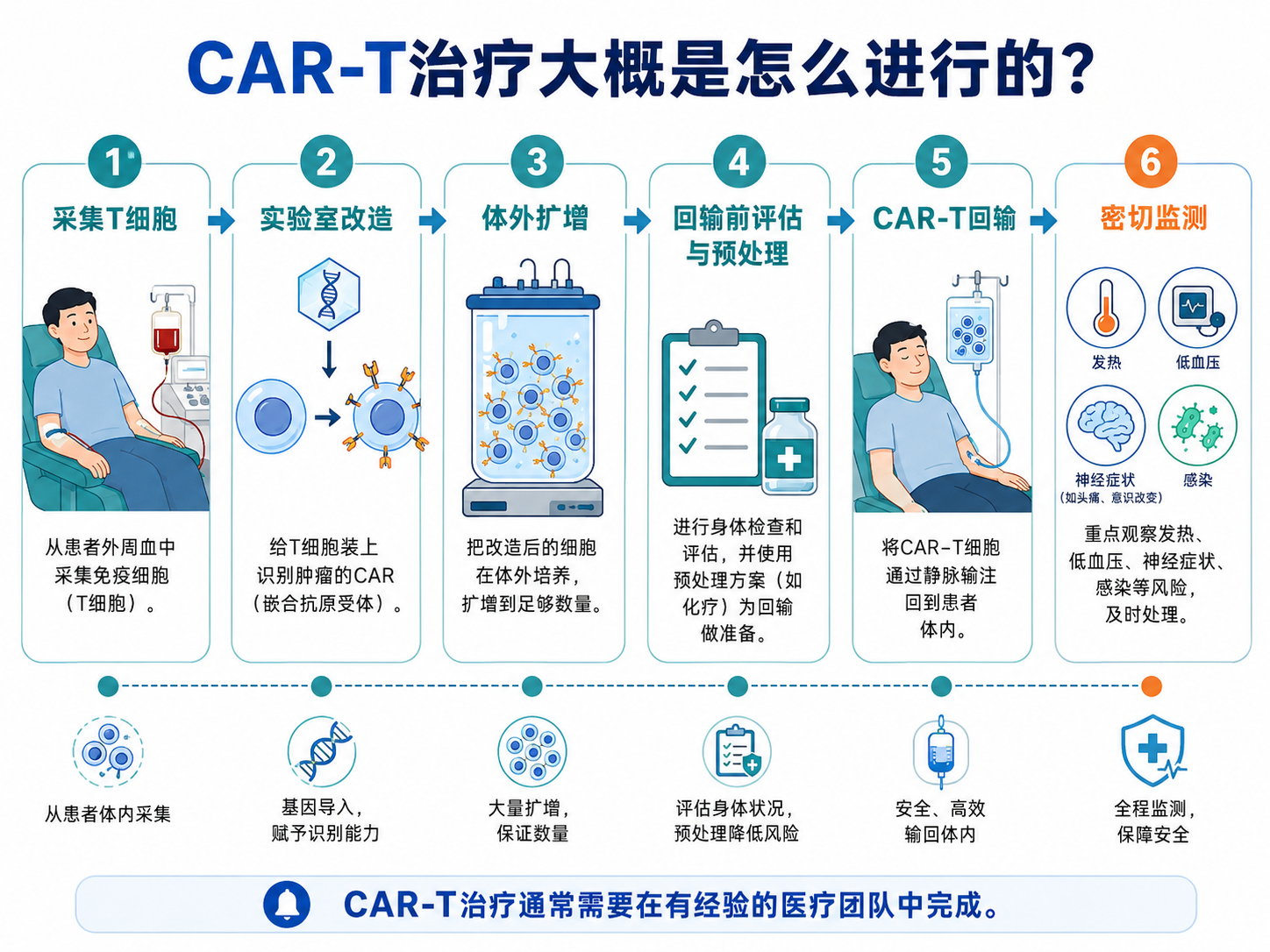
Patients typically undergo an initial evaluation, including disease classification, target testing, physical condition assessment, and infection screening. Once eligible, physicians collect immune cells from the patient’s peripheral blood, then isolate T cells in the laboratory and use genetic engineering to make the T cells express the specific CAR structure.
The modified T cells need to be expanded to a sufficient number in vitro and undergo quality testing. Before reinfusion, patients often receive lymphodepleting conditioning to create conditions for CAR-T cell expansion in vivo.
After CAR-T cell infusion, the early post-treatment risks mainly center on cytokine release syndrome, neurotoxicity, infections, and cytopenias. Many centers require patients to remain hospitalized or stay near the hospital for a certain period after treatment so that any problems can be promptly managed.
Risks and Limitations of CAR-T Therapy
The most common and concerning risk is cytokine release syndrome, a systemic inflammatory response caused by the release of inflammatory cytokines from activated immune cells. Mild cases may present with fever, fatigue, muscle aches, and nausea; severe cases can lead to hypotension, hypoxia, respiratory distress, shock, coagulopathy, and even organ dysfunction.
Neurotoxicity is also a significant risk; patients may experience decreased attention, confusion, speech difficulties, drowsiness, seizures, and in severe cases, life-threatening cerebral edema.
Cytopenias and infections are also common. The conditioning regimen before CAR-T, immune dysfunction from prior treatments, and hypogammaglobulinemia resulting from CAR-T attacking normal B cells can all increase infection risk. Some patients require immunoglobulin replacement therapy, anti-infective treatment, or transfusion support.
Relapse remains an issue with CAR-T. Some patients achieve remission but later relapse because tumor cells may lose the target, alter antigen expression, or employ other immune escape mechanisms. For example, after CD19-targeted therapy, some patients relapse with tumor cells that no longer express CD19, making the original CAR-T unable to recognize them.
How Patients and Families Should View CAR-T Therapy
CAR-T therapy represents an important advance in cancer immunotherapy, offering new opportunities especially for certain patients with relapsed or refractory hematologic malignancies. However, it is not applicable to all cancers, and not every patient will achieve the same outcome.
Before considering CAR-T, patients and families should focus on discussing several key questions with their physicians: whether their disease falls into a category with relatively mature applications; whether tumor cells express an appropriate target; whether prior treatments affect CAR-T manufacturing and efficacy; whether their current physical condition can withstand the treatment; what acute risks may arise after treatment; and whether transplantation, maintenance therapy, or long-term follow-up is needed after remission.
Frequently Asked Questions (FAQ)
Q1: Is CAR-T therapy truly effective?
For some patients with relapsed or refractory hematologic malignancies, CAR-T therapy can bring significant remission, especially in certain B-cell leukemias, B-cell lymphomas, and multiple myeloma. However, outcomes vary depending on disease type, target, tumor burden, prior treatments, and the patient’s overall condition; it cannot guarantee effectiveness for everyone.
Q2: Is CAR-T therapy suitable for all cancer patients?
No. Currently, CAR-T is mainly applied to certain hematologic malignancies. For most solid tumors, challenges remain, including suboptimal targets, difficulty of cell infiltration into tumor tissue, and an immunosuppressive tumor microenvironment.
Q3: What are the risks of CAR-T treatment?
Major risks include cytokine release syndrome, neurotoxicity, cytopenias, infections, hypogammaglobulinemia, and tumor lysis syndrome. In severe cases, these can be life-threatening, so treatment must be conducted under the supervision of an experienced medical team with standardized monitoring.
Q4: Can relapse occur after CAR-T therapy?
Yes, it is possible. Even if remission is achieved, some patients may relapse due to target loss, tumor cell mutations, or insufficient persistence of CAR-T cells in the body. Therefore, long-term follow-up is necessary after treatment, and physicians may consider additional consolidation or subsequent therapies if needed.
Q5: What questions should I ask my doctor before undergoing CAR-T?
Is my disease suitable for CAR-T? What are the results of tumor cell target testing? How long is the expected manufacturing and waiting period? What are the most critical risks to watch for during treatment? How will follow-up be conducted after treatment? If there is no response or relapse occurs, what subsequent options are available?